What this course is designed to teach
Bloodborne-pathogen education is a foundation for any service that can expose a worker or client to blood. Skinart’s focused online course explains how transmission occurs and how everyday studio controls reduce risk.
Published subject coverage
The official Skinart materials describe the following learning areas. Lesson order and current assessment details are confirmed on the enrolment page.
- Bloodborne-pathogen definitions, the chain of infection and practical danger assessment.
- Transmission and non-transmission routes, PPE, handwashing and safe glove removal.
- Hepatitis B, hepatitis C, HIV, other bloodborne diseases and risk reduction.
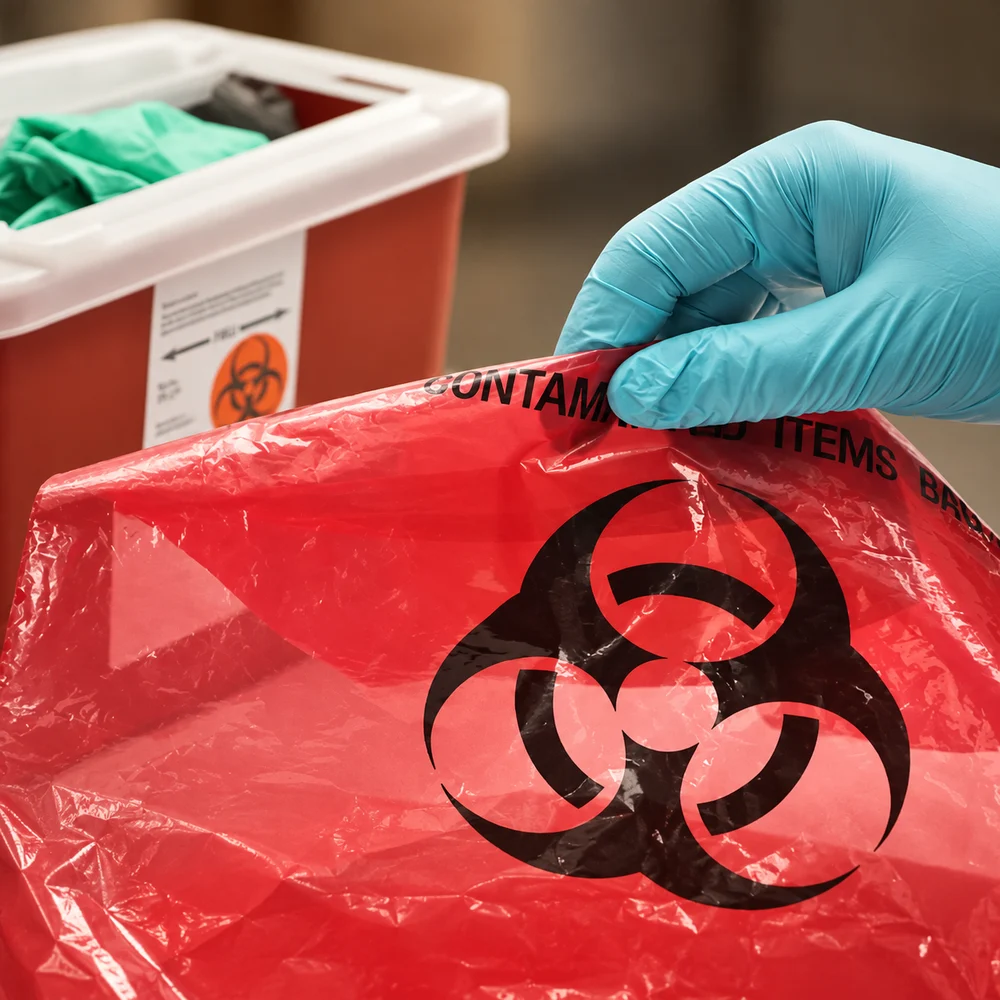
- Medical waste, cleanup, sharps handling and exposure-incident response.
- Exposure-control planning, record keeping, employee medical records and chemical safety information.
- Studio-risk review and a final knowledge assessment.
How online study helps
Lessons can be paused and replayed while you make notes, prepare equipment or repeat an exercise. That makes online learning particularly useful for technical subjects where small setup details matter and one classroom demonstration can be easy to miss.
Plan a useful learning routine
- Create a glossary of the transmission, exposure and prevention terms used in the course.
- Map the points in a typical studio workflow where you need written infection-control procedures.
- Locate your workplace’s incident-reporting contacts and record questions where the procedure is unclear.
- Compare your training notes with the current workplace policy rather than treating a certificate as the whole safety system.
- Review quiz feedback and confirm any unresolved questions with your trainer or workplace safety lead.
Questions learners ask
Who should compare bloodborne pathogen training?
Anyone studying or working in the skin-penetration services covered by this guide can review the course subjects. Compare its transmission, PPE, waste, incident-response and record-keeping coverage with the responsibilities of your intended role.
Does this course replace practical tattoo or piercing training?
No. It is a focused safety-knowledge course with a knowledge assessment. It does not replace the technique, practical activities or assessment of a tattoo, piercing, PMU or other procedure course.
How can I apply the BBP lessons to my workplace study?
Map the course topics to your workplace procedures and make a list of gaps or questions for the responsible safety lead. Locate the current exposure-incident contacts and reporting process rather than relying on course notes alone.
How do I confirm whether the BBP certificate meets my needs?
Check the current course certificate and assessment details, then ask the employer, insurer or relevant authority what evidence and refresher training they require. Requirements for one workplace or country should not be assumed to apply everywhere.